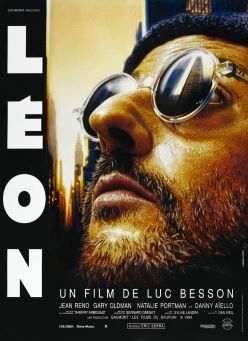
Vengeance and Virtue: Mathilda's Quest in Léon – Der Profi
Few films navigate the complex waters of innocence, loss, and the thirst for retribution with the raw emotional power of Luc Besson’s 1994 masterpiece, Léon – Der Profi (known internationally as The Professional). At its heart lies the unforgettable journey of Mathilda's Dark Path: Revenge and Training in Léon – Der Profi, a young girl thrust into a brutal world, seeking solace and vengeance in the most unlikely of mentors. This article delves into the profound character arc of Mathilda Leon Der Profi, exploring how her tragic circumstances ignite a relentless quest that challenges moral boundaries and forges an unconventional bond with a solitary hitman.
The Unraveling of Innocence: Mathilda's Tragic Beginning
New York City's labyrinthine streets provide the backdrop for Mathilda Lando's initial existence, one marked by neglect and a deeply dysfunctional family. Twelve-year-old Mathilda (portrayed with astonishing maturity by Natalie Portman in her debut role) is depicted as a solitary figure, detached from her abusive father, vapid stepmother, and cruel sister. Her only source of genuine affection is her younger brother, a beacon of light in her otherwise bleak life. This fragile normalcy is shattered irrevocably when her family becomes entangled with corrupt DEA agent Norman Stansfield (a chillingly charismatic Gary Oldman), who orchestrates their brutal murder over a stolen drug stash. Mathilda, returning from a grocery run, narrowly escapes the massacre by instinctively seeking refuge with her mysterious neighbor, Léon (Jean Reno), a man she barely knows.
This pivotal moment marks the genesis of Mathilda Leon Der Profi's transformation. The loss of her brother, in particular, fuels an all-consuming desire for revenge. Her childhood is violently stripped away, replaced by a singular, burning purpose. She is no longer just a neglected child; she is a survivor, a witness, and a nascent agent of retribution, driven by a primal need for justice against the monsters who stole her world.
A Killer's Sanctuary: Léon's Unconventional Mentorship
Léon, the titular "Profi" or professional cleaner, lives a life meticulously ordered around his work for the mafia, his only companion a beloved houseplant. He is a man of routine, strict personal codes, and profound emotional isolation. His initial reluctance to take in Mathilda stems from his ingrained solitude and the inherent dangers of his profession. However, a flicker of humanity within him, perhaps recognizing a kindred spirit in her loneliness, compels him to offer sanctuary. What begins as a desperate act of charity soon blossoms into a deeply complex, unconventional bond that defies societal norms. Léon and Mathilda: An Unconventional Bond in New York's Underworld reveals itself through a series of tender, often humorous, exchanges.
Mathilda, astute and perceptive, quickly deduces Léon's profession. Instead of recoiling, she sees an opportunity to achieve her goal: to learn the skills necessary to avenge her brother. "I want you to teach me how to be a cleaner," she declares, cementing the unusual apprenticeship. Léon, despite his initial protests, reluctantly agrees. Their arrangement becomes a symbiotic relationship: Mathilda takes on household chores, manages Léon's finances, and even teaches him to read, exposing him to new ideas and a semblance of normalcy. In return, he instructs her in the art of the "cleaner" – marksmanship, stealth, and tactical thinking. This unexpected dynamic forms the core of Mathilda Leon Der Profi's development, highlighting how two disparate souls find a unique form of family and purpose together amidst the urban chaos.
Vengeance Forged: Mathilda's Path to Retribution
Mathilda's training under Léon is not merely an exercise in learning lethal skills; it is a profound journey into the very nature of violence and its consequences. She is a quick study, fueled by an unwavering resolve to confront Stansfield. Her initial attempts to act on her own, armed with rudimentary knowledge and Léon's hidden weapons, are fraught with danger and often lead to her needing Léon's intervention. These episodes underscore the immense peril Mathilda faces and the depth of Léon's protective instincts. He is a man who typically executes contracts without emotion, yet for Mathilda, he repeatedly risks his life, demonstrating a paternal affection he never knew he possessed.
The film masterfully portrays Mathilda's internal struggle between her innocent nature and the dark path she has chosen. She grapples with the morality of her quest, but her brother's memory remains her guiding star. Her determination, resilience, and unwavering focus on her goal are central to the film's narrative. The interplay between her youthful vulnerability and her burgeoning proficiency in a brutal trade creates a captivating and morally ambiguous character arc that continues to resonate with audiences. Through Mathilda, Besson explores the cyclical nature of violence and the profound impact of loss on a child's psyche.
Moral Ambiguity and Lasting Impact
Léon – Der Profi is a film that refuses easy categorization, deftly blending elements of thriller, drama, and a coming-of-age story. Luc Besson's direction is precise, creating a gritty yet stylized portrayal of New York's underbelly. The performances are equally remarkable: Jean Reno imbues Léon with a quiet dignity and surprising depth, while Natalie Portman delivers a groundbreaking performance that launched her career. Gary Oldman's portrayal of Stansfield is iconic, a manic, unpredictable villain who serves as the perfect foil to the stoic Léon and the determined Mathilda.
The film's exploration of moral ambiguity is one of its most compelling aspects. Is Léon a virtuous character for protecting Mathilda, even as he teaches her to kill? Is Mathilda's quest for revenge justified, or does it risk turning her into the very monster she seeks to destroy? These questions linger long after the credits roll, inviting viewers to ponder the gray areas of justice, love, and loss. Despite nominations at the César Awards for Best Film, Best Director, and Best Actor, the film did not win, but its cultural impact has been undeniable. The Director's Cut offers additional insights, including a brief cameo by Besson himself teaching the "ring trick" to Mathilda, further enriching the film's lore. The enduring legacy of Mathilda Leon Der Profi lies in its refusal to offer simplistic answers, instead presenting a raw, emotional narrative that continues to provoke thought and discussion decades after its release.
The journey of Mathilda in Léon – Der Profi is a powerful testament to the human spirit's capacity for resilience and retribution in the face of unspeakable tragedy. Her quest for vengeance, mentored by an unlikely protector, explores profound themes of loss, unconventional family, and the blurry lines between good and evil. Mathilda and Léon's bond, forged in the crucible of New York's criminal underworld, remains one of cinema's most compelling and complex relationships, solidifying Léon – Der Profi as a timeless classic.